Enhancing Community Safety Through School Law Enforcement Collaboration

Ensuring safety in schools remains a top priority for communities across the country. With increasing concerns about violence, bullying, and emergencies, schools and law enforcement agencies must work together effectively. Building strong partnerships between schools and law enforcement can create safer environments where students, staff, and families feel protected and supported. This article explores how these partnerships work, their benefits, and practical steps to strengthen collaboration for community safety.
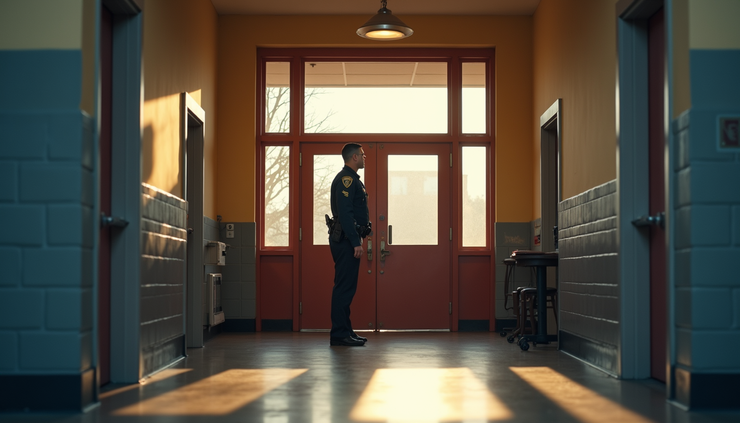
Why School and Law Enforcement Partnerships Matter
Schools face many challenges that affect safety, including bullying, drug use, and potential threats of violence. Law enforcement officers bring expertise in crime prevention, emergency response, and community engagement. When schools and police collaborate, they combine their strengths to address safety concerns more effectively.
These partnerships help:
Prevent incidents before they escalate
Respond quickly to emergencies
Build trust between students, staff, and officers
Educate students about safety and legal issues
Without clear communication and shared goals, misunderstandings can arise, leading to mistrust or ineffective responses. A well-structured partnership ensures everyone understands their roles and works toward common safety objectives.
Key Elements of Effective Partnerships
Successful collaboration depends on several important factors:
Clear Communication Channels
Regular meetings and open dialogue between school administrators, law enforcement, and community members keep everyone informed. Sharing information about potential risks, safety plans, and recent incidents helps prevent surprises and allows for coordinated responses.
Defined Roles and Responsibilities
Each partner must know their duties. For example, school resource officers (SROs) often handle security and student engagement, while school staff focus on education and counseling. Clear boundaries prevent overlap and confusion.
Training and Education
Both school personnel and law enforcement benefit from training on topics like adolescent development, cultural sensitivity, and conflict resolution. This knowledge helps officers interact positively with students and staff, reducing tensions.
Community Involvement
Engaging parents, students, and local organizations strengthens the partnership. Community input ensures safety strategies reflect local needs and values.
Practical Steps to Build Strong Partnerships
Schools and law enforcement can take specific actions to improve collaboration:
Establish Memorandums of Understanding (MOUs)
MOUs outline the terms of cooperation, including roles, confidentiality, and procedures. They provide a formal framework that guides daily interactions and emergency responses.
Create Joint Safety Committees
Committees with representatives from schools, police, parents, and students meet regularly to review safety policies, discuss concerns, and plan drills or events.
Implement School Resource Officer Programs Thoughtfully
SROs should be carefully selected and trained to serve as mentors and educators, not just security personnel. Their presence can promote positive relationships and early intervention.
Use Data to Guide Decisions
Collecting and analyzing data on incidents, responses, and outcomes helps identify trends and areas for improvement. Data-driven approaches make safety efforts more effective.
Promote Positive Engagement Activities
Organizing events like safety workshops, youth-police dialogues, and community service projects builds trust and understanding between students and officers.
Addressing Challenges and Concerns
Despite the benefits, some challenges arise in school-law enforcement partnerships:
Balancing security and a welcoming atmosphere can be difficult. Over-policing may create fear or mistrust among students.
Privacy and confidentiality must be respected, especially regarding student information.
Cultural differences and biases require ongoing training and awareness to prevent misunderstandings.
Open communication, transparency, and community involvement help address these issues and build stronger relationships.
The Role of Technology and Innovation
Technology can support school safety efforts when used responsibly:
Communication tools enable quick alerts and coordination during emergencies.
Data management systems track incidents and responses for analysis.
Training platforms offer accessible education for staff and officers.
Schools and law enforcement should evaluate technology options carefully to ensure they enhance safety without infringing on privacy or trust.
Moving Forward: Building Safer Communities Together
Creating safe schools requires ongoing commitment from both educators and law enforcement. Partnerships that focus on communication, clear roles, training, and community engagement build trust and improve safety outcomes. By working together, schools and police can create environments where students thrive academically and socially without fear.
Communities should encourage open dialogue, support joint initiatives, and invest in programs that promote positive relationships. Safety is a shared responsibility, and collaboration between schools and law enforcement is a powerful tool to protect and empower young people.


Comments